What is Hip Osteoarthritis?
Hip osteoarthritis is best understood as a whole-joint health condition rather than simple “wear and tear.” It occurs when the biological processes that maintain joint health, specifically the body’s natural ability to repair cartilage and adapt to mechanical stress, are overwhelmed by the demands placed upon the hip.
This leads to a complex chain reaction: the cartilage may become less resilient, the joint lining (synovium) can become irritated, and the underlying bone may change in response to altered weight-bearing forces.
Because the hip is a major weight-bearing joint, these changes often cause pain, stiffness, and muscle weakness, which can create a cycle of reduced activity.
Crucially, modern research emphasizes that this is a dynamic state rather than a permanent, downward decline; with the right interventions, the joint environment can be improved, symptoms managed, and function restored.
Common Symptoms
Hip Arthritis may present with
Deep pain in the anterior groin on walking or climbing stairs, with possible referred pain to the lateral thigh and buttock, anterior thigh, knee, and ankle.
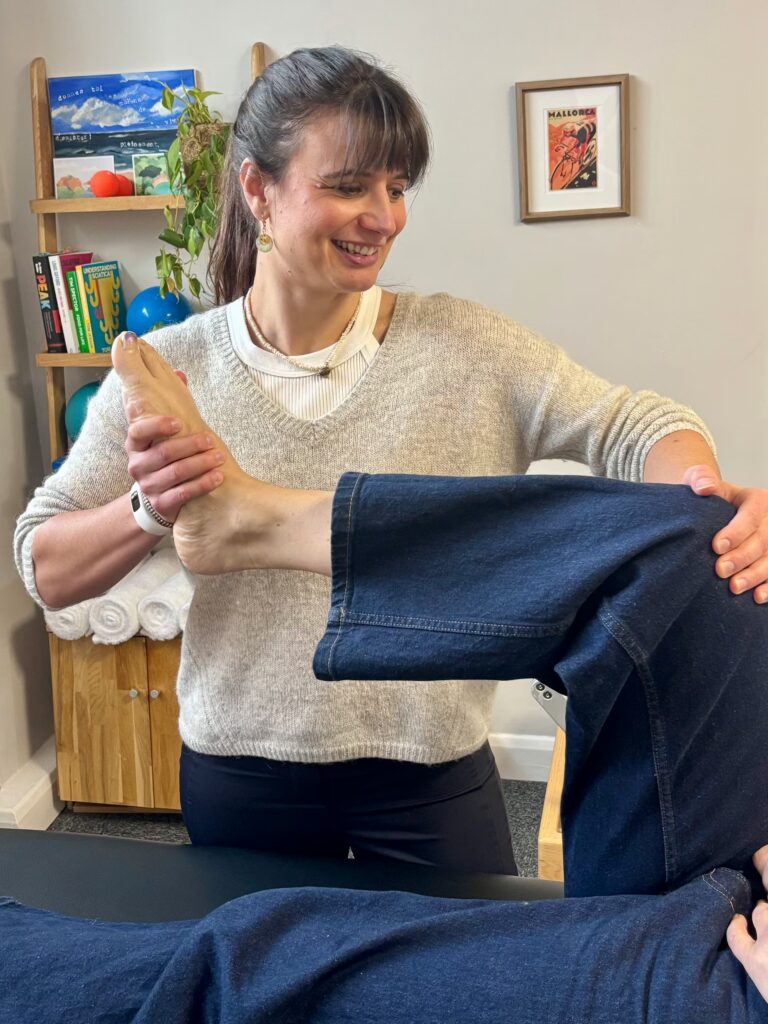
Painful restriction of internal rotation with the hip raised towards the stomach.
In advanced disease, there may be:
- A Trendelenburg gait: a lurch towards the affected hip with less time spent weight-bearing on that side and the pelvis tilting down on the unaffected side, caused by wasting and weakness of the buttock and thigh muscles.
- A fixed flexion external rotation deformity, with compensatory increased lumbar lordosis and pelvic tilt. The lower limb can be significantly shortened in more severe cases.
Core Management: The "Three Pillars"
- Education: Understanding that pain does not always equal damage is vital. You can work through mild discomfort if it helps you regain movement and strength. Having an understanding of your own personal situation in relation to your pain helps create an individualised plan. This may involve advice on medication and onward referral if needed.
- Individualised Graded Exercise Program: This is non-negotiable. Strengthening the muscles around the hip reduces the load on the joint and provides stability. This must be individualised to gain sustained results. Even if planning for surgery, exercises will help ensure a smoother post operative result as the hip will be stronger.
- Weight Management: If you are overweight, losing body weight reduces the physical force on your hip and lowers potential systemic inflammation. There is some scientific evidence that reducing bodyweight could help with reducing pain related to osteoarthritis.

Questions,
Answered With Clarity
What is hip osteoarthritis?
Hip osteoarthritis is a chronic, degenerative condition affecting the hip joint. It involves the breakdown of articular cartilage, changes in the underlying bone, and the formation of bony growths known as osteophytes.
What are the common symptoms of hip OA?
Symptoms typically include:
- Pain in the hip.
- Stiffness.
- Limited range of motion.
- Swelling.
- A grating or creaking sensation (crepitus) in the joint.
These symptoms often worsen with activity and may feel better after a period of rest.
How is hip OA treated?
Treatment is often multifaceted and depends on the severity of the condition. It can include:
- Osteopathy/Physiotherapy Interventions (the primary recommendation for initial management).
- Relative rest.
- Medications.
- Injections.
- Surgery (only considered as a last resort).
Is exercise beneficial for hip OA?
Yes. Exercise is strongly recommended. A tailored, regular exercise program, ideally guided by an Osteopath or Physio helps to improve joint flexibility, strengthen the muscles supporting the hip, reduce pain, and improve overall mobility and joint health.
Do I definitely need surgery for hip OA?
No. Surgery is not always necessary and is generally considered a last resort when conservative treatments (like Osteopathy/Physiotherapy, weight management, and lifestyle changes) have failed. If pain and disability significantly impact your quality of life, surgery such as a hip replacement might be discussed with an orthopaedic surgeon.
Who should I see if I suspect I have hip OA?
You should start by seeing an Osteopath or Physiotherapist. They can help provide an initial assessment, formulate a management plan, and advise if a referral to other specialists (such as a rheumatologist or an orthopaedic surgeon) is required based on the severity of your condition.