Sciatica Treatment At Chester Osteo & Physio
Sciatica is a term used to describe pain that travels from the lower back into the leg. This can also be felt in the shoulder, arm or hand and is referred to medically as Radiculopathy. It can feel sharp, burning, or like an ache, and often comes with tingling and/or numbness. What’s important to know is that not all “sciatica” comes from the same source. Sciatica is an umbrella term that encompasses three types of pain that all have different management strategies:
Nerve Root Pain
This can be due to a herniated disc or age related changes in the spine that cause constant shooting, burning pains in a specific path down the leg and is often accompanied by muscle weakness, pins and needles, numbness and tingling.
Referred Pain
Pain is “referred” from anatomical structures in the spine. In this case, the limb pain isn’t caused by direct pressure on a nerve, but the brain still “feels” it in the limb. This type of pain usually feels more diffuse and achy, being elicited by the discs, muscles, ligaments, tendons or other structures in the spine.
Nociplastic Pain
In some people, the nervous system itself becomes hyper-sensitive and amplifies pain signals in the absence of damage. This doesn’t mean the pain is “in your head”—it’s very real—but it reflects changes in how the body processes pain, rather than a single injured structure. It is common for people with this type of pain to be labelled with “sciatica” when their pain is far more complex and needing specialist care.
Questions,
Answered With Clarity
How important is an accurate diagnosis?
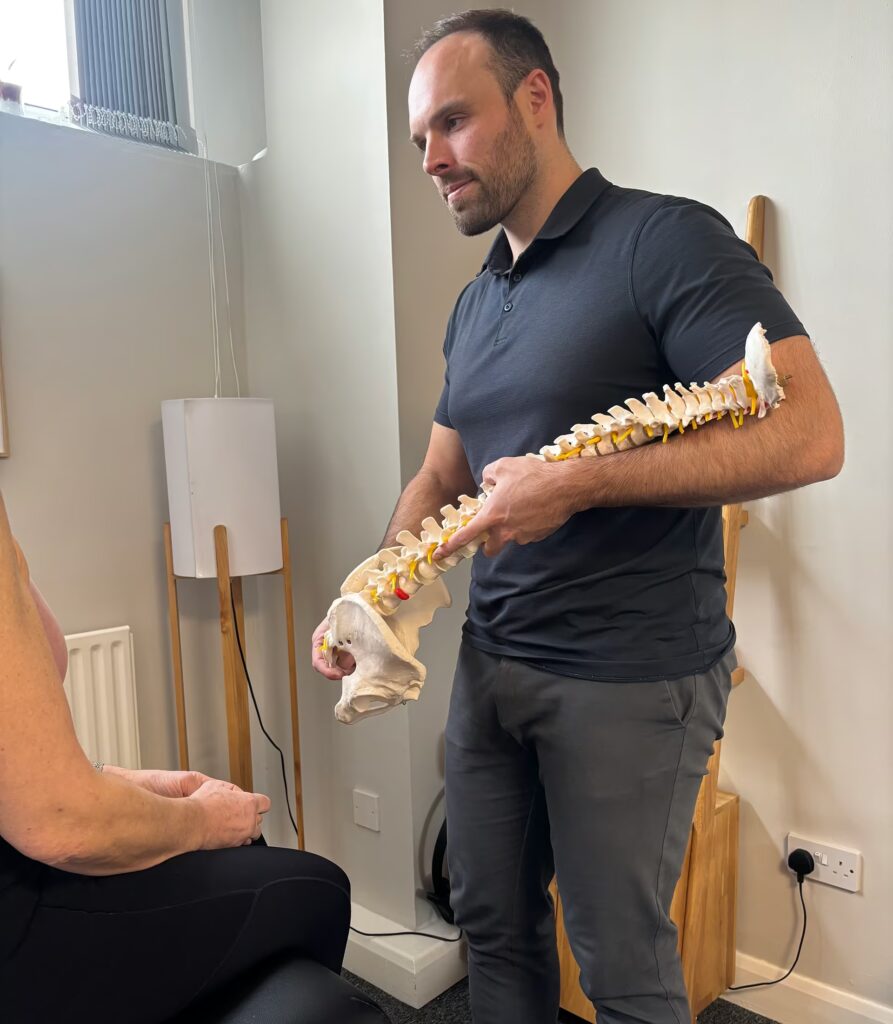
A specialist clinical assessment and diagnosis can not only be beneficial for getting the right treatment but it can also save the patient a lot of money! Inaccurately diagnosed nerve root compression (incorrectly referred to as “trapped nerves”) costs patients in unnecessary passive treatments and can instil fear in patients who have stopped doing what they love due to constant worry that something is trapped or damaged. At Chester Osteo and Physio we are experts at assessing leg pain and have a proven track record at providing the accurate diagnosis people need in order to get back to their normal pain free life.
Do I need treatment?
Not all cases of sciatica require a physical treatment as symptoms can resolve on their own with the correct self-management strategies. It is beneficial to see us early into your flare of pain so we can rule out serious causes and provide you the tools to ease your pain and keep it away long term. Ignoring symptoms can lead to long term pain that persists due to adapted movement patterns and potential fear avoidance of pain provoking activities. We are highly skilled at assisting you to restore these movement patterns which are key to getting you back to your valued activities pain free.
How do we treat sciatica?
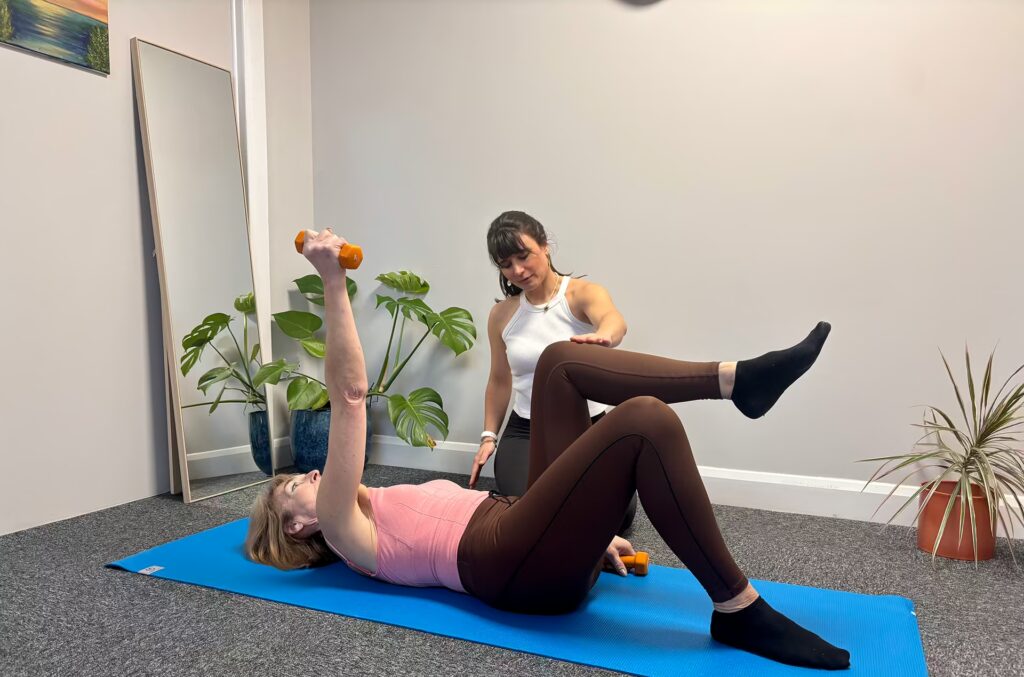
We use a person centred approach that explores the true root cause of your sciatica and firstly ensures an accurate diagnosis. Depending on the source of the sciatica we offer everything from logical individualised advice, rehab exercises and manual therapy. As with our approach to back and neck pain, our goal is to provide you the tools needed so you no longer need our services!
How long does treatment take?
This depends on your diagnosis, history of pain and complexity of your case. No two people are the same which makes it hard to give a concrete answer however we provide gold standard, evidence based care that aims to reduce treatment dependency and will be fully transparent from the initial consultation about your predicted trajectory.
Do I need a scan?
The majority of sciatica doesn’t require a scan as the expert clinical assessment provided by our team is sufficient to diagnose and treat the problem successfully. In the minority of cases when nerves don’t calm down and orthopedic interventions are considered, we are well placed to arrange scans and get you to the right provider. Scans are necessary in the rare occurrence of serious spinal conditions that may significantly change the course of someone’s life. If we suspected this we are best placed to refer to the right healthcare provider and would write a referral letter free of charge.
Do I need surgery or injections?
Invasive options are the last resort for sciatica and at Chester Osteo and Physio we strive to make sure you avoid it by providing robust conservative measures with a multimodal person centred approach. We have experience working in second opinion clinics in the NHS where many patients we treated were told they needed invasive options. Having an accurate diagnosis and better understanding of their pain they were able to avoid injections and reduce their pain without these riskier and costlier procedures. If surgery is needed the options are normally microdiscectomy (to remove disc material) or a laminectomy (to widen the spinal canal decompressing the nerve affected).