Jaw Pain Treatment At Chester Osteo & Physio
If you’re experiencing jaw pain, clicking, or difficulty opening your mouth, you may be dealing with TMJ pain, also known as a temporomandibular joint (TMJ) disorder. The TMJ connects your lower jaw to your skull, allowing smooth movement for talking, chewing, and yawning. When this joint or the surrounding muscles become strained or inflamed, it can lead to TMJ pain.
Questions,
Answered With Clarity
How important is an accurate diagnosis?
Getting an accurate diagnosis for TMJ pain is essential. Jaw pain can come from several different causes that include muscle tension, joint inflammation, teeth grinding (bruxism) and arthritis. It can also come as a result of a combination of these so understanding the exact source helps guide the right treatment.
Do I need treatment?
Not everyone with TMJ pain needs intensive treatment. In many cases, TMJ symptoms improve naturally with simple self-care such as avoiding hard foods, gentle jaw exercises, and stress reduction. However, if your jaw pain, clicking, or locking continues for more than a few weeks, or if it affects your ability to eat or speak comfortably, it’s a good idea to seek professional TMJ treatment. Early care can help prevent long-term discomfort and restore smooth, pain-free jaw movement.
How can we help you?
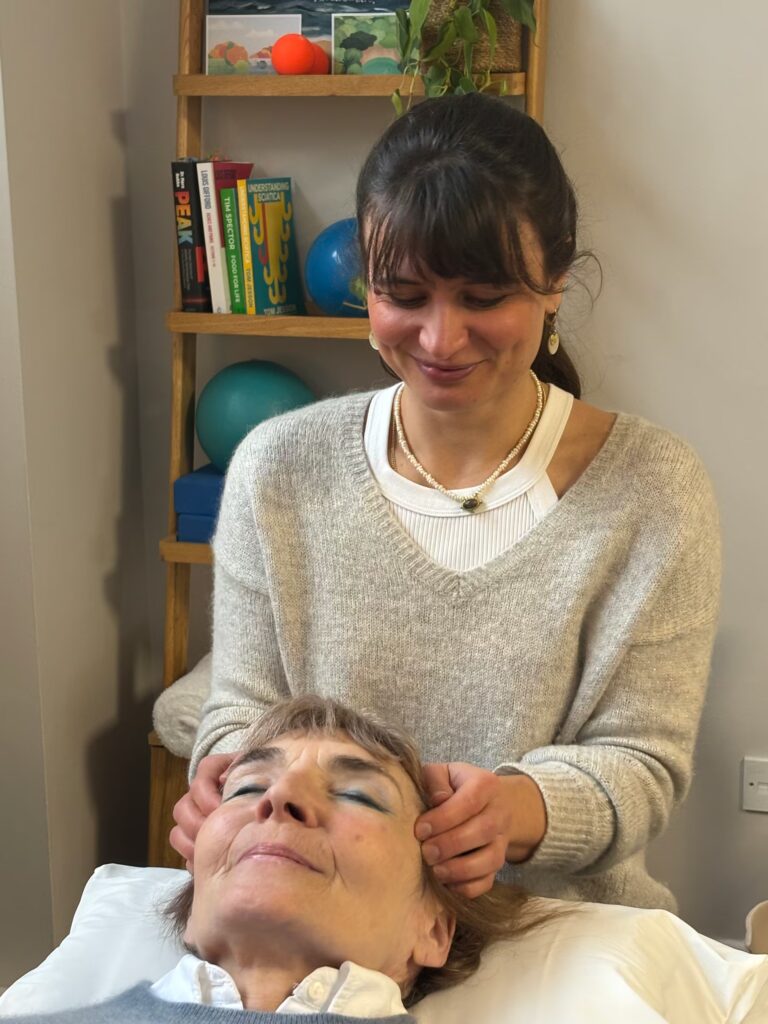
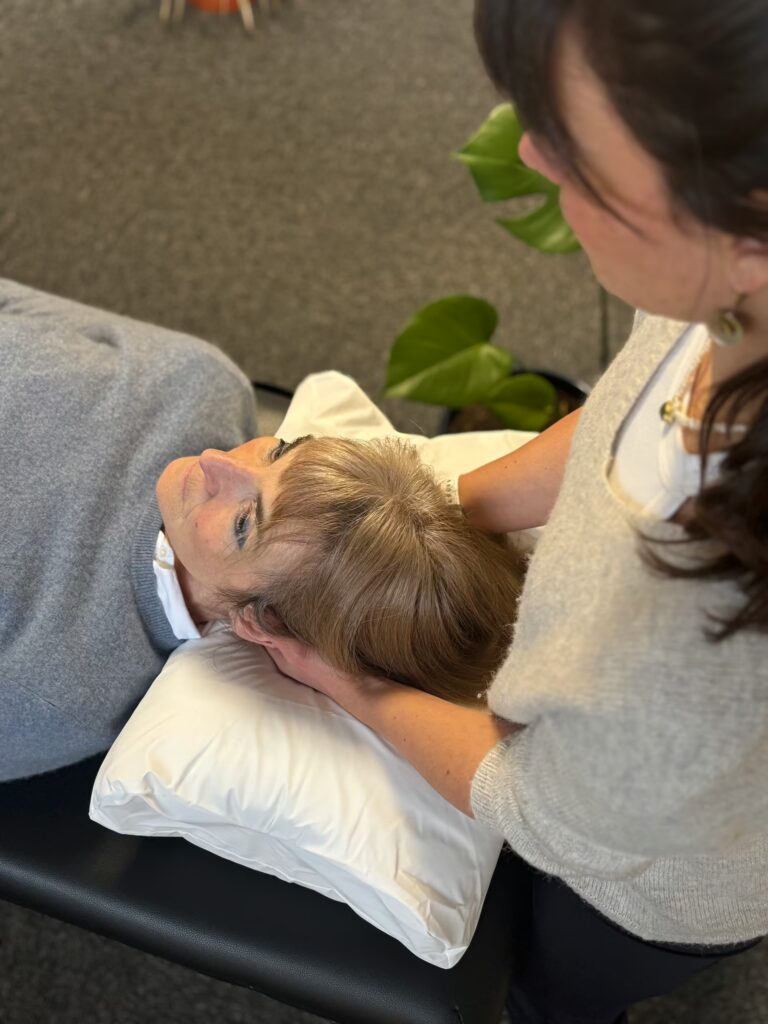
Our team provides evidence-based TMJ care designed to reduce pain, relax the jaw muscles, and improve joint function. Depending on your needs, your TMJ treatment plan may include:
- Gentle jaw exercises and posture advice
- Manual treatment to reduce muscle tension
- Stress management and relaxation techniques
- Advice on diet and daily habits to protect the TMJ
- Referral for dental splints or night guards for teeth grinding
We focus on conservative, non-invasive treatments first to help you achieve long-term relief and confidence in your jaw movement.
How long does treatment take?
The length of TMJ treatment varies from person to person. Many people notice an improvement within a few weeks of consistent home care and therapy. For more persistent TMJ disorders, we will provide a self management plan for you with optional check ins as resolution may take several months.
Do I need a scan?
In most cases, a TMJ scan (such as an X-ray, MRI, or CBCT) is not required. A detailed clinical examination is often enough to diagnose TMJ pain. If your symptoms are severe, or if your healthcare provider suspects joint damage, arthritis, or structural issues, a scan may be recommended to better understand what’s happening inside the joint.
Do I need surgery or injections?
The vast majority of people with TMJ pain do not need surgery or injections. Most cases respond very well to conservative, non-surgical treatments such as physiotherapy, dental splints, and lifestyle adjustments. Surgery or joint injections are only considered in rare, severe cases where other treatments haven’t helped and significant joint damage is confirmed. We will always discuss all your options and guide you toward the safest and most effective approach.